AI-Driven Forecasting: Enhancing Grid Reliability in Canadian Power Systems
The operational governance of power systems in Canada faces unprecedented challenges due to climate variability, shifting demand patterns, and the integration of renewable energy sources. NorthGrid Ops examines these challenges through the lens of integrated digital control layers, focusing on forecasting accuracy, grid coordination, and real-time oversight.
The Role of AI in Operational Governance
Artificial Intelligence is no longer a supplementary tool but a core component of modern grid management. By analyzing vast datasets from weather patterns, historical consumption, and real-time grid telemetry, AI models can predict demand fluctuations with significantly higher accuracy than traditional methods. This is critical for maintaining reliability under variable conditions, such as the extreme cold snaps in Alberta or the summer peaks in Ontario.
Integrated Digital Control Layers
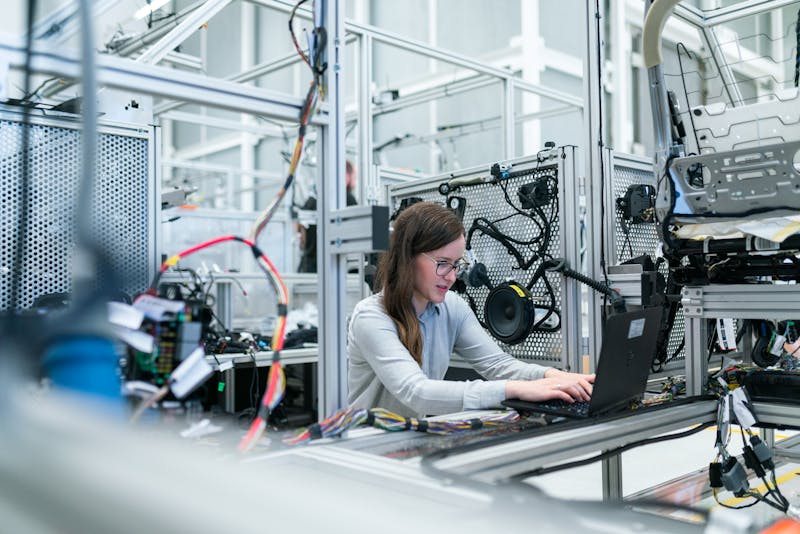
Our platform conceptualizes governance as a stack of interoperable digital layers. The forecasting layer feeds into the coordination layer, which optimizes dispatch and resource allocation. The oversight layer provides a unified dashboard for system operators, visualizing grid health and potential stress points in real-time. This modular approach allows for incremental upgrades and resilience.
Case Study: Forecasting Accuracy in British Columbia
A recent pilot project with BC Hydro demonstrated a 22% improvement in 48-hour demand forecasts by implementing our machine learning algorithms. This directly translated to more efficient hydroelectric reservoir management and reduced reliance on auxiliary gas-fired plants, showcasing the tangible benefits of advanced operational governance.
The path forward involves continuous refinement of these digital layers and fostering collaboration between provincial grid operators. The goal is a nationally resilient, AI-augmented power system capable of meeting Canada's net-zero ambitions without compromising on reliability.
Comments & Discussion